Gas vs. Electric Heating: Which Is Better for Burleson Homes?
Gas vs. Electric Heating: Which Is Better for Burleson Homes?
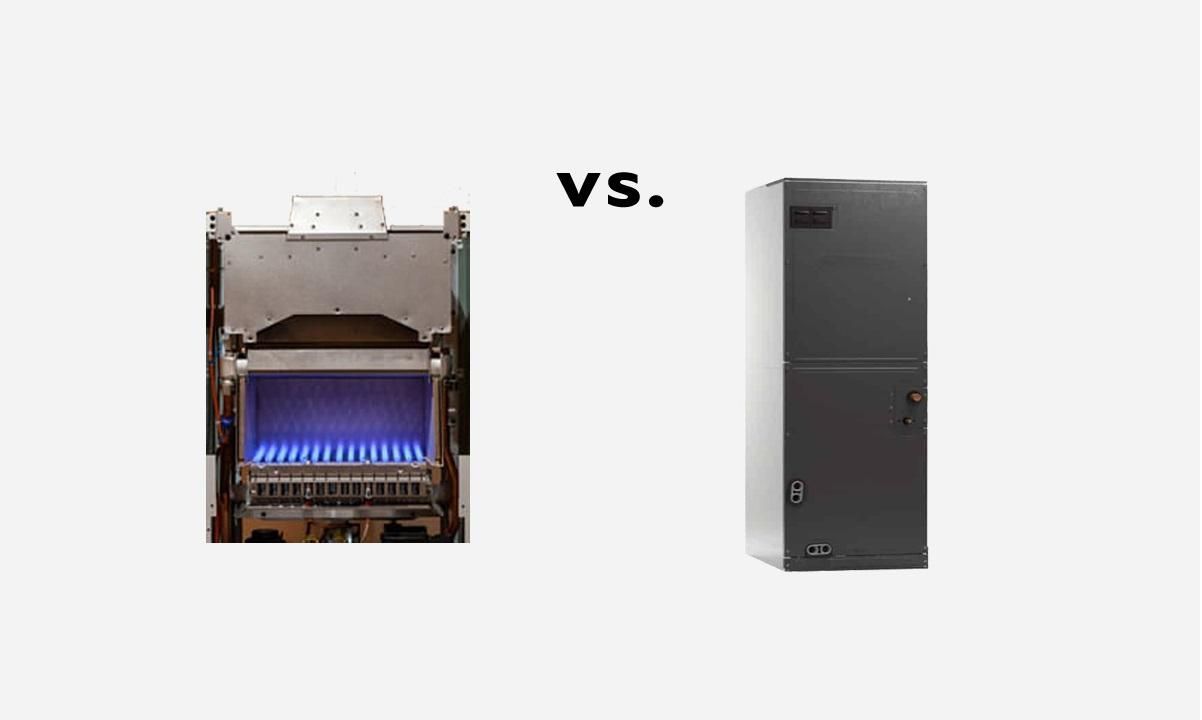
When winter temperatures dip in Burleson, homeowners rely heavily on their heating systems. Choosing between gas heating and electric heating is one of the most important decisions you can make for year-round comfort and energy efficiency. But which one is better for homes in Burleson, Texas?
The right choice depends on factors like energy costs, home size, existing HVAC setup, and personal comfort preferences. In this guide, we’ll break down the differences between gas and electric heating, including pros, cons, long-term efficiency, safety, and climate suitability—specifically for Burleson homeowners.
How Gas and Electric Heating Systems Work
Understanding the basics of each system helps set the stage for an informed decision.
Gas Heating Systems
Gas furnaces burn natural gas to create heat. The heat exchanger warms the air, which is then distributed throughout the home via ducts. These systems are often paired with a central air conditioner.
Common components:
- Gas burner
- Heat exchanger
- Blower motor
- Thermostat
- Ventilation system
Electric Heating Systems
Electric furnaces or heat pumps use electricity to generate heat. Electric furnaces push air over heated coils, while heat pumps transfer heat from outside air into the home (and reverse in summer for cooling).
Common components:
- Heating elements or coils
- Blower motor
- Thermostat
- Backup heating strip (in some heat pumps)
Pros and Cons of Gas Heating in Burleson
Gas heating systems are a common choice in North Texas, especially in older homes. Here are the main advantages and drawbacks.
Pros of Gas Heating
- Lower Operating Costs: Natural gas tends to be more affordable per unit of energy.
- Fast Heat Output: Gas furnaces heat the home quickly and produce warmer air.
- Better for Cold Weather: Well-suited for cold snaps or sudden temperature drops.
Cons of Gas Heating
- Requires Gas Line Access: Homes without an existing gas hookup may face installation challenges.
- Higher Upfront Installation Complexity: Gas systems often require venting and safety checks.
- Safety Considerations: Systems must be properly maintained to avoid gas leaks or carbon monoxide risks.
Pros and Cons of Electric Heating in Burleson
Electric systems are popular in newer homes and communities without natural gas access.
Pros of Electric Heating
- Simpler Installation: No venting or fuel lines required.
- Safer Operation: No combustion or risk of gas leaks.
- Quiet and Low Maintenance: Fewer moving parts and generally easier to maintain.
Cons of Electric Heating
- Higher Energy Usage: May consume more energy over time.
- Slower Heating in Very Cold Weather: Heat pumps may struggle during extreme temperature drops.
- Dependent on Power Supply: In a power outage, electric systems shut down entirely.
Heating System Comparison
| Feature | Gas Heating | Electric Heating |
|---|---|---|
| Heat Output | Strong and fast | Gradual and even |
| Installation | More complex | Simpler |
| Safety | Requires proper venting | Safer (no combustion) |
| Lifespan | Moderate to long | Long |
| Maintenance | Needs regular servicing | Lower maintenance needs |
| Efficiency | High, but depends on AFUE rating | Typically very high |
Climate Considerations in Burleson, Texas
Burleson has a humid subtropical climate, with hot summers and mild but occasionally cold winters. This makes both gas and electric systems viable, but there are climate-specific trade-offs:
- Gas Heating: Ideal for sudden cold snaps or overnight freezes.
- Electric Heating (Heat Pumps): Great for year-round use, especially if integrated with central cooling.
In homes that already use electricity for cooling, a heat pump system can offer an efficient, all-in-one solution.
Which Heating System Is Better for Your Burleson Home?
Here’s a quick decision guide based on common homeowner priorities:
- Prefer quick heat and robust cold-weather performance?
Choose gas heating. - No gas line access or concerned about emissions and safety?
Consider electric heating. - Looking for a highly efficient year-round system?
A heat pump may offer the best performance. - Want a balanced, flexible setup?
Consider a dual-fuel system that uses electricity in mild conditions and switches to gas in colder weather.
Frequently Asked Questions
Is gas heating more efficient than electric?
Both systems can be efficient depending on their design. Gas systems tend to be more cost-effective for heavy heating, while electric systems, especially heat pumps, offer excellent energy efficiency in mild climates.
Can I switch from electric to gas heating?
Yes, but it depends on whether your home is connected to a natural gas line. Installing new lines and venting can be more involved, but it is possible.
Which is safer: gas or electric heating?
Electric heating is generally safer because it doesn’t involve combustion, fuel lines, or carbon monoxide. Gas systems are safe when properly installed and maintained.
Is one option better for long-term energy savings?
It depends on local utility rates. In Burleson, where natural gas is widely available, gas heating may offer savings over time. However, efficient electric heat pumps can compete closely in operating cost, especially when combined with solar or time-of-use energy plans.
How do I know which system my home needs?
Moore Comfort Care offers in-home assessments to evaluate your current HVAC setup, energy usage, and comfort goals. We can help you determine the best option for performance and efficiency.
Get Professional Heating Help in Burleson
If you're unsure whether gas or electric heating is right for your home, Moore Comfort Care can help. Our experienced HVAC technicians provide honest recommendations based on your home’s layout, energy use, and comfort needs.
We handle heating system installations, repairs, and annual maintenance for both gas and electric systems in Burleson and surrounding areas.
Call today to schedule a system evaluation or consultation.
Recent Posts