How to Tell If Your HVAC System Needs an Upgrade
Signs It’s Time to Upgrade Your Heating and Cooling System
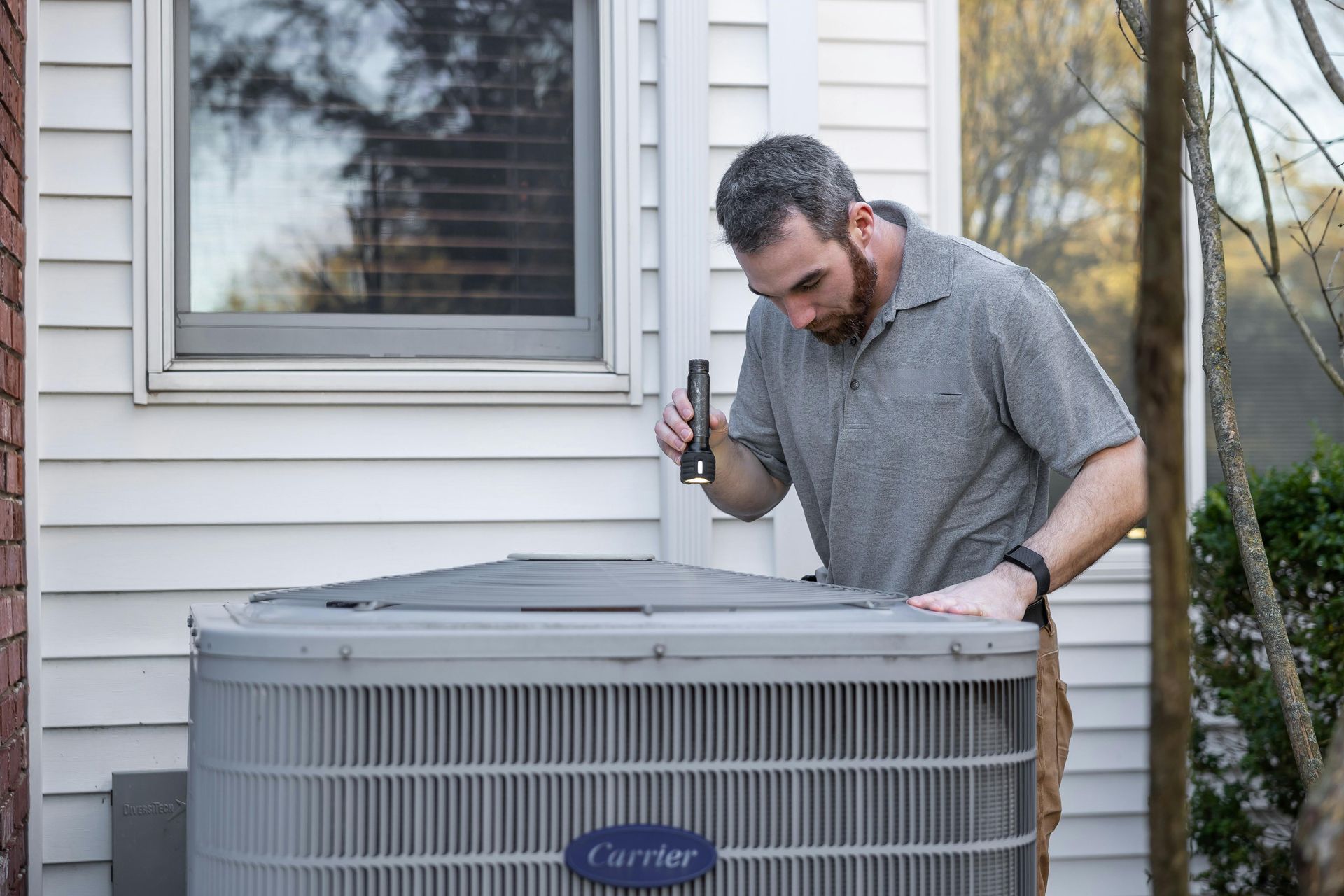
For most homeowners in Burleson, the HVAC system is out of sight and out of mind—until something goes wrong. But waiting until a complete breakdown to consider a replacement often leads to higher costs, lost comfort, and emergency service calls.
The truth is, even if your system still works, it might not be working efficiently. Aging HVAC systems can increase energy bills, decrease indoor comfort, and cause recurring repair headaches. In this guide, we’ll cover the key signs your HVAC system may be due for an upgrade, how long systems typically last, and the benefits of installing a new system.
Average Lifespan of HVAC Systems
Understanding system lifespan helps determine when replacement makes sense.
- Air Conditioners: 12 to 15 years
- Gas Furnaces: 15 to 20 years
- Electric Furnaces: 20 to 30 years
- Heat Pumps: 10 to 15 years
Burleson’s hot summers and occasional winter freezes can shorten system life, especially without proper maintenance.
Signs It’s Time to Replace Your HVAC System
1. Rising Energy Bills
If your energy usage hasn’t changed but your monthly utility bills keep going up, your HVAC system may be losing efficiency. Older systems use more energy to maintain comfort, especially if they haven’t been properly maintained.
2. Frequent Repairs
Needing more than one or two repairs within a couple of years can signal a failing system. As major components wear out, the cost and inconvenience of repairs add up.
3. Inconsistent Temperatures
Uneven heating or cooling in different rooms could mean your system is no longer distributing air properly. Poor airflow, aging ductwork, or an improperly sized unit can cause this problem.
4. Strange Noises or Odors
Buzzing, rattling, banging, or burning smells from your system are never normal. These signs often point to worn-out parts, motor issues, or potential safety hazards.
5. Excessive Dust or Poor Indoor Air Quality
If your home feels stuffy or dusty despite regular cleaning, your HVAC system may no longer be filtering air effectively. Older systems often lack modern filtration and humidity control.
6. Your System Still Uses R-22 Refrigerant
If your AC was installed before 2010, it may still use R-22 refrigerant, which is no longer produced. Servicing these systems is more difficult, and replacing them is usually a smarter long-term solution.
Why Upgrading Your HVAC System Makes Sense
Upgrading your HVAC system is an investment in home comfort, safety, and energy savings.
Benefits of a New System:
- Improved Efficiency: Newer systems are built to modern energy standards, helping you save on utilities.
- Better Comfort: New equipment provides more consistent temperature control and better humidity management.
- Quieter Operation: New HVAC systems run more quietly than aging equipment.
- Smart Home Integration: Today’s systems can connect with smart thermostats and zoning systems for customized comfort.
Reliability: A new system eliminates the stress of mid-season breakdowns and recurring service calls.
Repair or Replace? How to Decide
If your system is older and showing multiple signs of failure, replacement is usually the better long-term option. However, if your unit is still relatively new and the issue is isolated, a repair might be all that’s needed.
Moore Comfort Care offers honest assessments to help you make the right decision for your home and budget.
[Schedule an HVAC System Evaluation –
https://www.moorecomfortcaretx.com/hvac-repair]
Frequently Asked Questions
How do I know if my HVAC system is too old?
If it’s over 15 years old and showing signs of reduced performance, uneven airflow, or rising energy bills, it’s likely nearing the end of its life.
Is replacing an HVAC system worth it?
Yes—especially if your current system is inefficient, outdated, or frequently in need of repair. You’ll benefit from better comfort, lower bills, and fewer maintenance issues.
What happens during an HVAC upgrade?
Your technician will assess your home’s layout, ductwork, and comfort needs to recommend the right system size and type. Installation typically takes 1 to 2 days.
Can I replace only the AC or the furnace?
You can, but it’s often more efficient to replace both at the same time, especially if they’re the same age. Mismatched systems may reduce performance and void warranties.
Will a new HVAC system increase my home value?
Yes. Modern, energy-efficient HVAC systems are attractive to buyers and can boost your home's resale appeal.
Trust Moore Comfort Care for HVAC Upgrades in Burleson
If your HVAC system is underperforming, costing you more to operate, or simply too old to trust through another Texas summer or winter, Moore Comfort Care is here to help.
We offer comprehensive HVAC inspections, honest recommendations, and expert system upgrades across Burleson and surrounding communities. Our team will help you understand your options and ensure your home stays comfortable year-round.
[Book Your HVAC System Evaluation – https://www.moorecomfortcaretx.com/contact]
Recent Posts